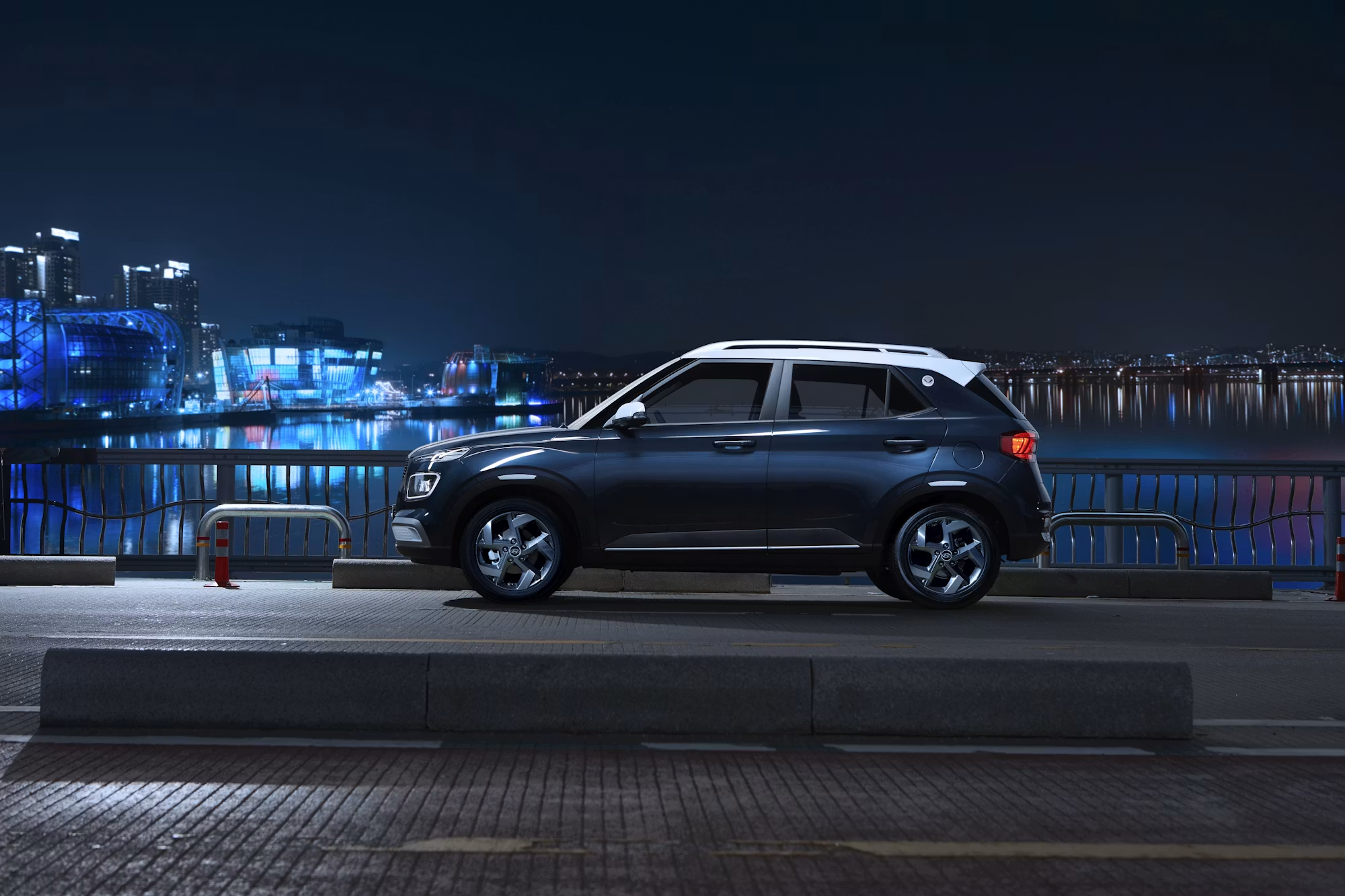
As the automotive industry continues to evolve, Sport Utility Vehicles (SUVs) remain a dominant force in the market. Their versatility, spaciousness, and ability to adapt to various lifestyles have made them incredibly popular among consumers. This article explores the current trends and innovations in the SUV sector, highlighting how manufacturers are responding to changing preferences and environmental concerns.
The SUV Boom: Understanding Popularity
The rise in SUV popularity can be attributed to several factors. Firstly, their spacious interiors make them ideal for families, offering room for passengers and cargo alike. Secondly, SUVs provide a higher driving position, which many drivers find appealing for visibility and comfort. Additionally, advancements in technology have enhanced safety features and fuel efficiency, making SUVs more attractive than ever.
The versatility of SUVs allows them to serve multiple purposes—from daily commuting and family transport to adventurous road trips and off-road excursions. With such a wide array of options available, it’s no surprise that consumers are flocking to SUVs in greater numbers.
Trends Shaping the SUV Market
1. Sustainability and Eco-Friendly Models
One of the most significant trends influencing the SUV market is the push toward sustainability. As environmental concerns grow, manufacturers are increasingly developing hybrid and electric SUV models to meet consumer demands for greener alternatives. Vehicles such as the Toyota RAV4 Hybrid and the Ford Mustang Mach-E are leading the charge, offering impressive fuel efficiency and reduced emissions without compromising on performance.
Electric SUVs are particularly noteworthy, with models like the Tesla Model Y setting new standards in range and performance. The growing availability of charging infrastructure is also making electric SUVs more practical for everyday use, further encouraging consumers to consider these eco-friendly options.
2. Enhanced Technology Integration
Modern SUVs are becoming increasingly equipped with advanced technology features. Infotainment systems are now standard, allowing drivers and passengers to connect their devices seamlessly for navigation, music, and communication. Features like Apple CarPlay and Android Auto enhance the user experience, making it easier to access apps and entertainment while on the road.
Safety technology is also a critical focus, with many SUVs offering features such as adaptive cruise control, lane-keeping assist, and blind-spot monitoring. These advancements not only improve safety but also provide peace of mind for drivers, especially those transporting families.
3. Luxury and Comfort
As the demand for luxury vehicles grows, many SUV manufacturers are responding by offering premium models that prioritize comfort and high-end features. Luxury SUVs like the Mercedes-Benz GLE and the Audi Q7 are designed with exquisite interiors, featuring high-quality materials and advanced sound systems. These vehicles are tailored for consumers seeking an elevated driving experience without sacrificing functionality.
The integration of advanced climate control systems, ambient lighting, and customizable seating options ensures that luxury SUVs meet the needs of discerning buyers. As a result, these vehicles are becoming popular choices for both everyday use and special occasions.
Innovations in Design and Performance
1. Improved Fuel Efficiency
With rising fuel prices and environmental concerns, fuel efficiency is a top priority for many consumers. Manufacturers are responding by enhancing the aerodynamics of SUV designs, incorporating lighter materials, and utilizing more efficient engines. These innovations lead to better fuel economy without sacrificing performance.
Hybrid and plug-in hybrid models also contribute to improved fuel efficiency, allowing drivers to benefit from the best of both worlds. As technology continues to advance, we can expect even greater strides in this area, making SUVs more economical for consumers.
2. Versatile Interior Configurations
The interior design of SUVs is evolving to accommodate the diverse needs of modern consumers. Many models now offer flexible seating configurations, allowing drivers to adjust the layout based on passenger and cargo needs. Features like sliding and reclining rear seats provide additional comfort for passengers and make it easier to load large items.
Furthermore, manufacturers are increasingly incorporating high-tech features like fold-flat seats and customizable cargo spaces, allowing users to maximize utility. This versatility is a significant selling point for families and active individuals alike, as it caters to various lifestyles and activities.
The Future of SUVs
As we look ahead, several key trends are likely to shape the future of SUVs. Firstly, the shift towards electrification will continue to gain momentum, with more manufacturers investing in electric and hybrid SUV models. As battery technology improves, we can expect longer ranges and shorter charging times, making electric SUVs even more appealing to consumers.
Secondly, the integration of smart technology will enhance the driving experience. From autonomous driving features to connected car technology, the future of SUVs will be increasingly digital, offering convenience and improved safety.
Finally, the focus on sustainability will drive innovation in materials and manufacturing processes. As consumers become more environmentally conscious, manufacturers will likely prioritize eco-friendly practices, from sourcing materials to production methods.
Conclusion
The SUV market is evolving rapidly, driven by consumer demands for versatility, comfort, and sustainability. As manufacturers adapt to these trends, we can expect a new generation of SUVs that not only meet the practical needs of drivers but also align with their values. From advanced technology and luxury features to eco-friendly models, the future of SUVs looks promising, ensuring that they remain a popular choice for years to come.